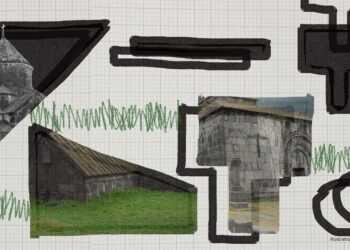
The surroundings of the Kobayr Monastery are a contrast between the eternal and the fleeting, the essence and the image, serenity and mundane chaos. Maria Gunko’s story is a patchwork of two places and one character who seemingly dwells between them, making a life from what’s available.
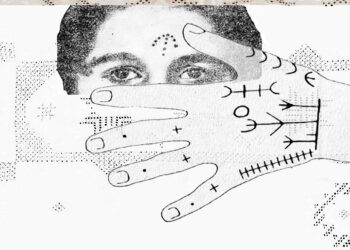
Historian Elyse Semerdjian’s book, Remnants: Embodied Archives of the Armenian Genocide, presents an innovative approach to writing history. She blends disciplines and challenging narratives to reveal the understudied female experience of the Armenian genocide.
In commemoration of renowned Armenian poet Yeghishe Charents, Maria Gunko delves into his colorful universe to see how it captures the essence of Armenia's landscapes and geography, drawing parallels with her perceptions.
In trying to understand her assumptions of her position as a researcher, and the spaces she could access, Maria Gunko uncovered that it was not her ethnicity that informed how she was perceived on the field site, but rather the explosive mixture of her gender and ethnicity.
According to traditional gendered divisions of household labor, repairs fall to the man of the house and his ability to perform such work is very much linked to being seen as a “proper” man. But what about the women? Maria Gunko’s fascinating journey into the realm of the “female fix”.
A copy of an unpublished letter that Zabel Yesayan had written to Armenian-American artist Hovsep Pushman was recently discovered in the archives of literary scholar Arpik Avetisyan, the author’s grandmother. The letter reveals the depth of Yesayan’s introspection and emotionality and is presented here for the first time.
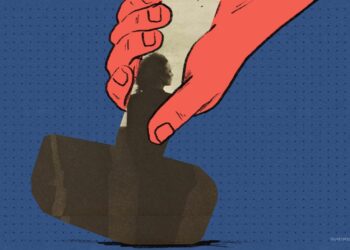
This is the story of Arev, a woman who survived a Soviet prison. In this new essay, Arev recounts her adventures traveling across the USSR in search of bottles and how she came to own a home in downtown Yerevan. As told by her niece Ella Kanegarian.
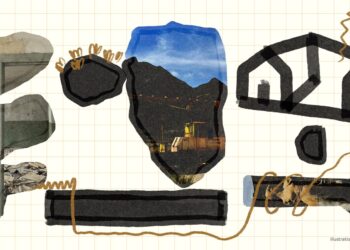
The dissolution of the Soviet Union created vast areas of abandonment and no-go zones that froze in time. In this next essay in the “Outside In” series, Maria Gunko writes that until the material relics of the Soviet Union disappear for good, we are deemed to revisit them, provoking thoughts about what societies value, how they evolve and what they leave behind.
This is the story of Arev, a woman who “who always wears Chanel suits in Almodovar colors that she gets from who knows where, red lipstick, and high-heeled shoes” who survived a Soviet prison. As told by her niece Ella Kanegarian.
Following the story of Dastakert, Armenia’s smallest city, this next essay in the “Outside In” series looks behind the veil of yet another small Armenian city and offers a glimpse into the lives of its “void dwellers”, namely Siranush.
EVN Report’s mission is to empower Armenia, inspire the diaspora and inform the world through sound, credible and fact-based reporting and commentary. Our goal is to increase public trust in the media. EVN Report is the media arm of EVN News Foundation registered in the Republic of Armenia in 2017.
SUPPORT INDEPENDANT JOURNALISM