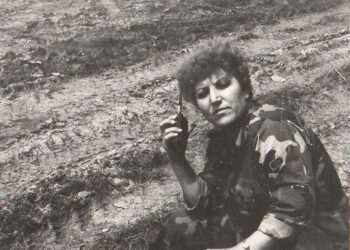
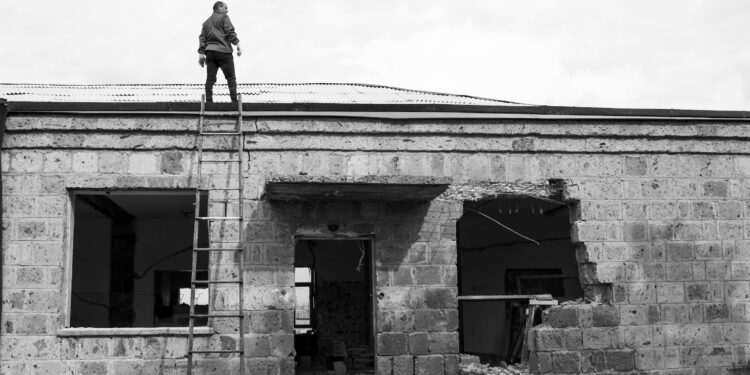
When the war broke out in Artsakh in the early 1990s, Aida Serobyan was a 36-year-old doctor and mother of three. She decided to volunteer for two months as a field doctor, but ended up staying for two years until the end of the war in 1994. Although she helped to heal the injured, she herself was wounded four times on the battlefield. This is her story.
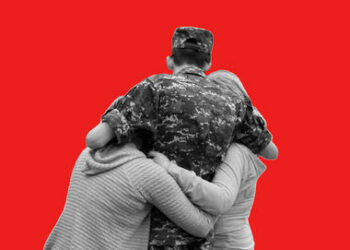
A personal essay by Gayane Ghazaryan about a trip to Artsakh to see her brother for the first time after he left for his mandatory service in the army. A day her family had always known would come but was never fully ready for. Գայանե Ղազարյանը գրում է իր նորակոչիկ եղբորը առաջին անգամ Արցախում տեսակցության գնալու իր փորձառության մասին։ Մի օր, որին նրանք սպասել են, բայց այդպես էլ պատրաստ չեն եղել։
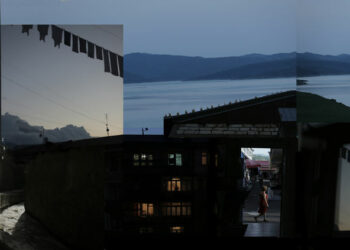
In this moving photo essay, journalist Yelena Gevorgyan and photographer Mariam Loretsyan explore Stepanakert through their eyes and impressions, piecing together the stories that bind the Armenians of Artsakh to the land.
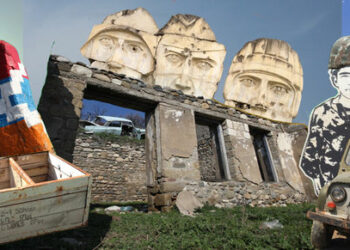
What is it like to find yourself on a heavily militarized contact line? How does it feel to see an adversary, a mere 400 meters away, who was the reason you became a refugee? Anna Astvatsaturian Turcotte, a refugee from Baku, writes about her emotional journey to the line and back.
Vardges Baghryan, a journalist from Artsakh recounts his personal memories from the Karabakh Movement and the war. He recalls the siege on the village of Karintak and how the future freedom and independence of the people of Artsakh was forged.
Deciding never to use the word Genocide and then coming face-to-face with it again in a new context; between reading biographies of the victims of the Sumgait Pogrom over and over again and the urge to see who now occupies the homes of the Armenians of Baku and Sumgait, writer Lusine Hovhannesyan unexpectedly discovers a common yet obvious thread.
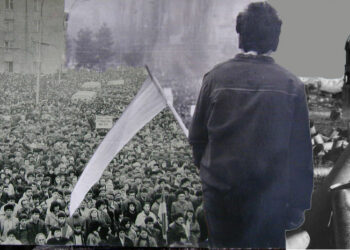
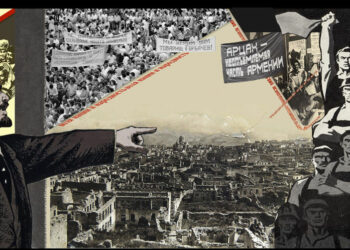
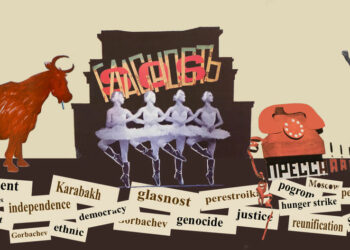
Harutyun Marutyan writes that the Karabakh Movement was not only the first of the Eastern European revolutions, but it played a considerable role in the democratization of Soviet society, was pivotal in the deconstruction of the Soviet Union and consequently in the elimination of the threat of communism.
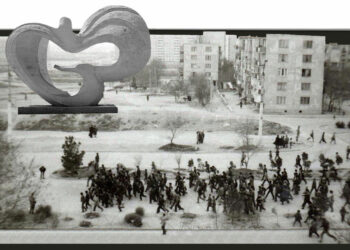
Journalist Lusine Hovhannesyan recounts her personal memories as a university student during the first days of the Karabakh Movement. She writes, “We became beautiful and fell in love easily like young men and women living out their last days at the barricades and we sang songs of resilience in the streets of Yerevan.”
Long before the first rallies and clashes over the territory of Nagorno Karabakh, there were several signs of the coming storm writes Mikayel Zolyan. One of these was the “war of memory,” waged not by soldiers, but in the sphere of historiography.
In this exceptionally honest and candid article, Gevorg Ter-Gabrielyan writes about his impressions from the first few months of the Karabakh Movement 30 years ago, with words he did not have nor could find at the time.
EVN Report’s mission is to empower Armenia, inspire the diaspora and inform the world through sound, credible and fact-based reporting and commentary. Our goal is to increase public trust in the media. EVN Report is the media arm of EVN News Foundation registered in the Republic of Armenia in 2017.
SUPPORT INDEPENDANT JOURNALISM